
Latest Smart Furniture Innovations
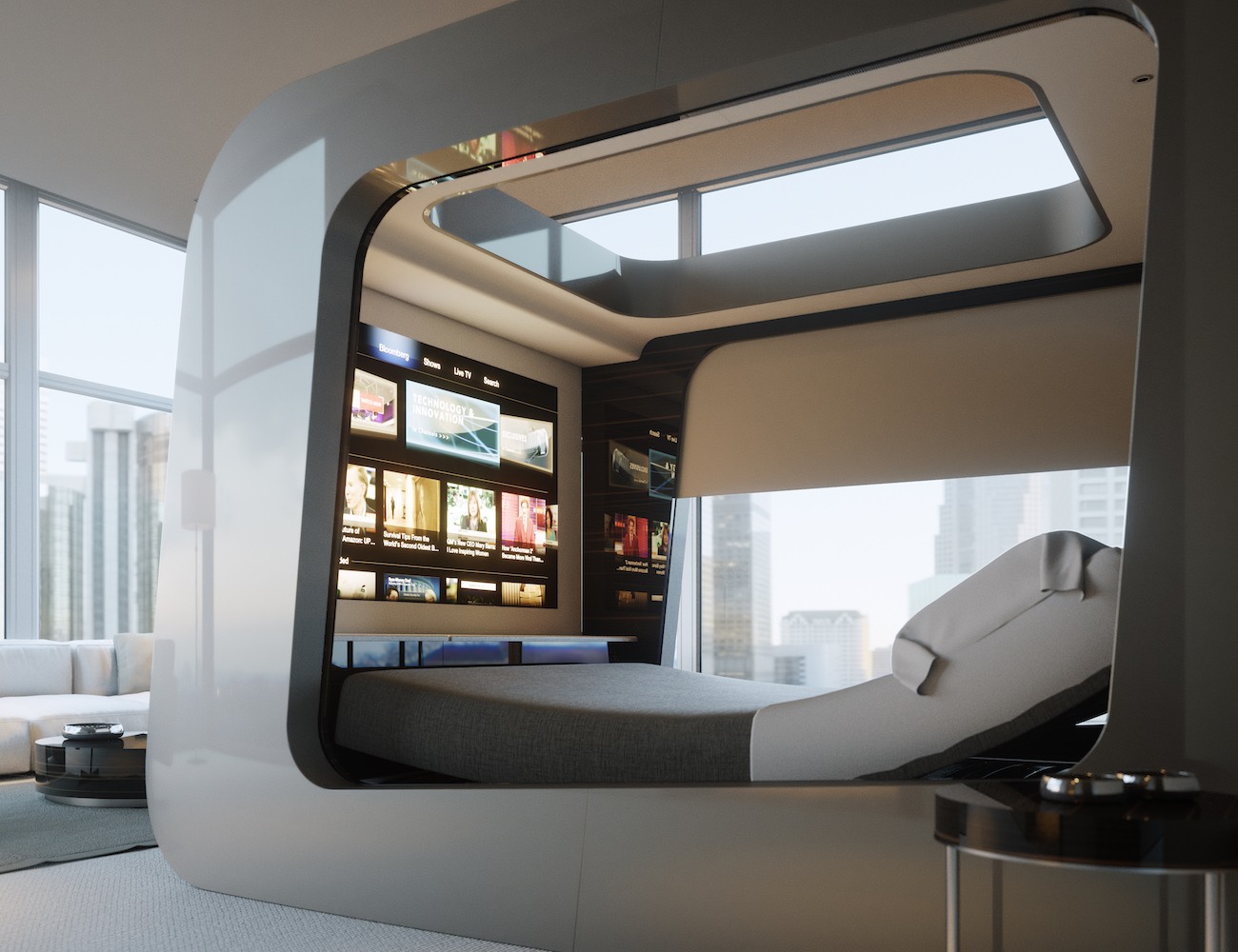
The smart furniture industry is experiencing unprecedented innovation, with connected furniture that seamlessly integrates into our daily lives while enhancing comfort, functionality, and efficiency. From AI-powered desks that adapt to your work patterns to beds that optimize sleep quality through sensor technology, today's smart furniture represents the convergence of design, technology, and user experience.
Revolutionary Smart Furniture Categories
Intelligent Workstations
Modern smart desks have evolved far beyond simple height adjustment. Today's leading models feature:
- AI-Powered Ergonomics: Automated adjustments based on posture detection and usage patterns
- Integrated Health Monitoring: Built-in sensors that track sitting time and encourage movement
- Wireless Charging Zones: Seamlessly integrated power delivery for multiple devices
- Climate Control: Micro-climate zones that maintain optimal temperature and humidity
Adaptive Sleep Systems
Smart mattresses and bed frames now offer personalized sleep optimization through:
- Dynamic Firmness Adjustment: Real-time pressure relief and support customization
- Sleep Stage Monitoring: Non-intrusive sensors tracking sleep quality metrics
- Temperature Regulation: Dual-zone heating and cooling for couples
- Smart Home Integration: Automated lighting, security, and climate control based on sleep patterns
Connected Living Spaces
Smart furniture extends beyond individual pieces to entire living environments:
- Modular Seating Systems: Reconfigurable sofas with integrated charging and storage
- Intelligent Storage Solutions: Automated organization systems with inventory tracking
- Voice-Activated Furniture: Tables, chairs, and cabinets responding to natural language commands
- Energy-Efficient Designs: Solar-powered and kinetic energy harvesting furniture
The future of furniture isn't just about comfort—it's about creating responsive environments that adapt to human needs while promoting health, productivity, and sustainability.
Emerging Technologies in Smart Furniture
Artificial Intelligence Integration
Machine learning algorithms now power furniture that learns and adapts to user preferences. Smart furniture systems can predict usage patterns, automatically adjust settings for optimal comfort, and even suggest lifestyle improvements based on collected data.
IoT Connectivity and Interoperability
Modern smart furniture seamlessly integrates with existing smart home ecosystems, supporting protocols like Matter, Zigbee, and Wi-Fi 6. This connectivity enables coordinated operation across all home devices, creating truly intelligent living spaces.
Sustainable Materials and Manufacturing
The latest smart furniture incorporates eco-friendly materials including recycled polymers, bio-based composites, and modular components designed for longevity and repairability. Many manufacturers now offer carbon-neutral production and take-back programs for end-of-life furniture.
Market Trends and Consumer Adoption
The smart furniture market is experiencing rapid growth, driven by several key factors:
- Remote Work Revolution: Home office demand driving innovation in work furniture
- Health Consciousness: Growing awareness of sedentary lifestyle risks promoting active furniture solutions
- Energy Efficiency: Consumers seeking sustainable options with lower environmental impact
- Aging Population: Increased demand for assistive furniture with health monitoring capabilities
- Luxury Market Growth: Affluent consumers embracing premium smart home technologies
Challenges and Considerations
While smart furniture offers tremendous benefits, several challenges remain:
- Privacy Concerns: Data collection from sensors and cameras raises privacy questions
- Technology Obsolescence: Rapid innovation cycles may leave furniture outdated quickly
- Cost Accessibility: Premium pricing limits adoption to certain market segments
- Technical Complexity: Setup and maintenance require technical knowledge
- Interoperability: Different brands may not work seamlessly together
The Future Outlook
Looking ahead, smart furniture will continue evolving with emerging technologies including:
- Augmented Reality Integration: Furniture visualization and customization through AR
- Biometric Authentication: Furniture that recognizes individual users for personalized experiences
- Advanced Materials: Self-healing surfaces, shape-memory alloys, and programmable matter
- Wireless Power Transfer: Furniture that charges devices without physical contact
- Environmental Responsiveness: Furniture that adapts to air quality, weather, and seasonal changes
As we move toward 2025 and beyond, smart furniture will become increasingly sophisticated, offering solutions that enhance quality of life while addressing environmental and health concerns. The integration of AI, IoT, and sustainable design principles will define the next generation of intelligent living spaces.