
Key Points to Consider When Choosing a Cheap Smart Plug to Connect with Google Smart Speaker
2025-12-15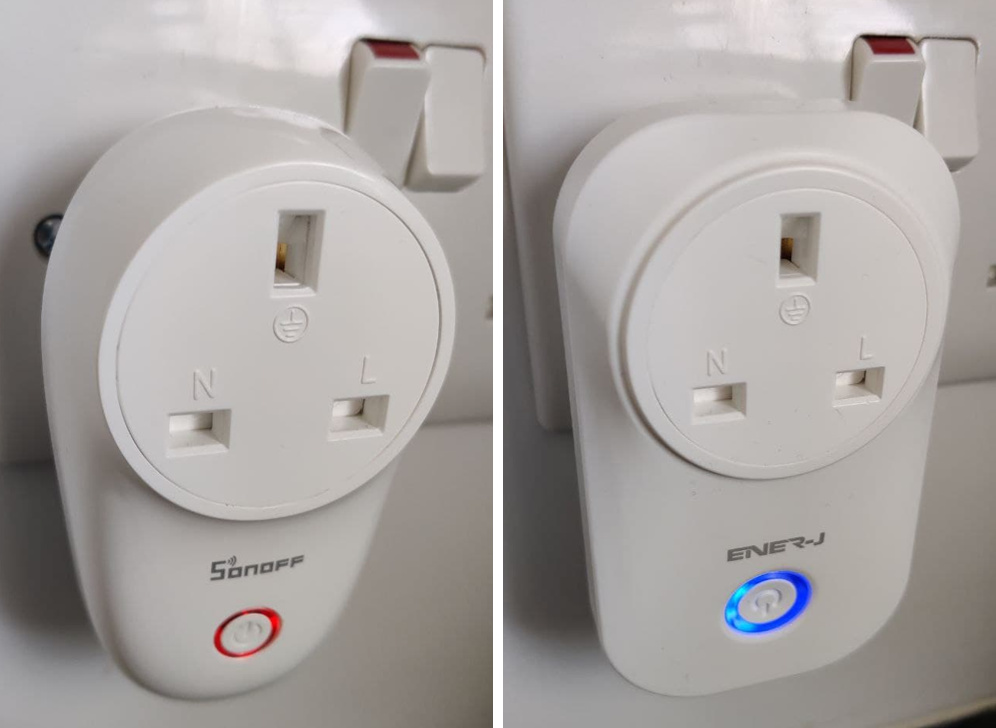
Introduction
Choosing the right cheap smart plug for your Google Smart Speaker can be challenging. With so many affordable options available, it's important to know what factors truly matter for reliable performance and seamless integration. This guide outlines the key considerations when selecting a budget-friendly smart plug that works well with Google Smart Speaker, helping you avoid common pitfalls and make an informed decision.
Key Considerations for Cheap Smart Plugs
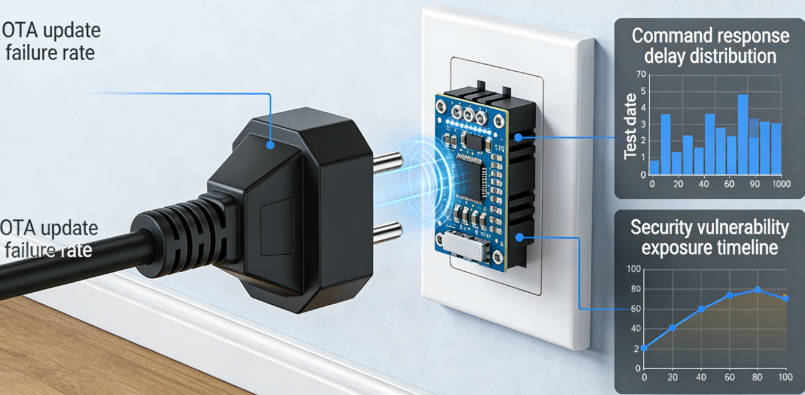
When evaluating affordable smart plugs for use with Google Smart Speaker, several critical factors demand attention: compatibility with Google Home, safety certifications, reliability under real-world conditions, and ease of setup. These elements directly impact how well your smart plug responds to voice commands and integrates into your smart home ecosystem. I once worked with a homeowner who purchased several cheap smart plugs without checking compatibility, only to find they wouldn't connect to their Google Smart Speaker at all. This simple oversight led to frustration and wasted money.
Compatibility First
Not all cheap smart plugs are designed to work seamlessly with Google Smart Speaker. Before making a purchase, verify that the plug explicitly states compatibility with Google Home or Google Assistant. Check for Wi-Fi band support—most Google Smart Speakers work best with 2.4GHz networks, so ensure the plug supports this band. Also, look for firmware update capabilities, as these can improve compatibility over time. I've seen cases where a simple firmware update resolved connectivity issues between a budget plug and Google Smart Speaker.
Safety Matters

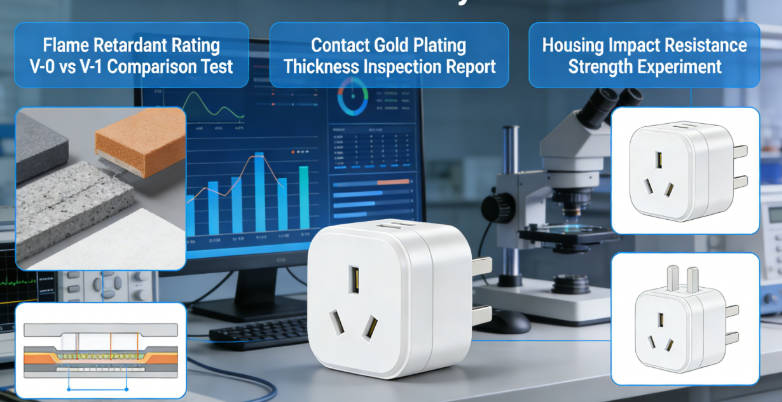
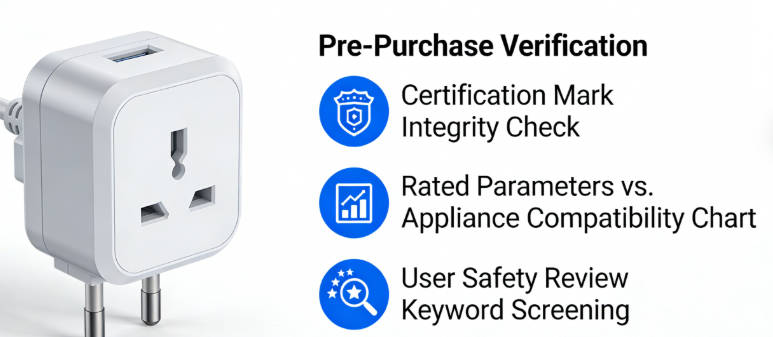
Even budget smart plugs should meet basic safety standards. Look for certification marks like UL, CE, or equivalent to ensure the device has been tested for electrical safety. Pay attention to the maximum load capacity—most cheap plugs can handle around 10A or 1200W, which is suitable for lamps and small appliances but not for high-power devices like heaters or air conditioners. I once encountered a user who plugged a space heater into a cheap smart plug, causing it to overheat and fail. Always check the wattage rating before connecting any appliance.
Real-World Performance
Affordable smart plugs often face challenges with consistent performance. Look for user reviews that mention reliability, especially regarding connectivity and response times. Many budget plugs struggle with maintaining a stable Wi-Fi connection, which can lead to delayed or failed commands from your Google Smart Speaker. Test the plug's response time by issuing voice commands at different times of day to see if performance varies with network traffic. I've found that even some inexpensive plugs perform reliably if placed close to the router and not overloaded with multiple commands at once.
Setup and Integration Tips
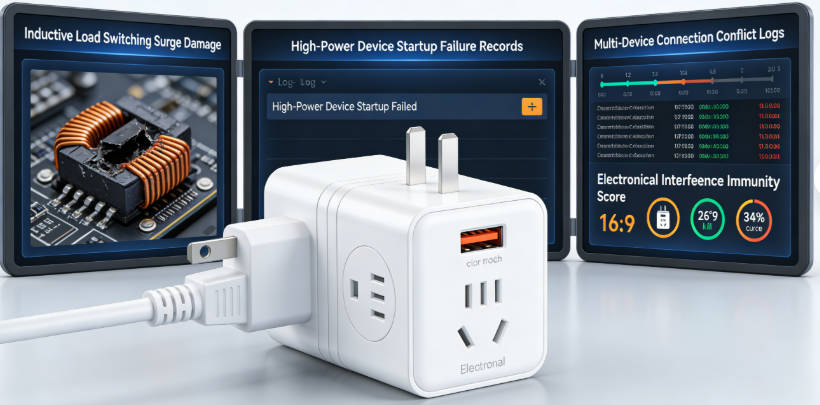
Getting the most out of your cheap smart plug requires proper setup. Start by placing the plug within a reasonable range of your Wi-Fi router and Google Smart Speaker. Follow the manufacturer's instructions carefully, as setup processes can vary between brands. Once connected, test the plug with simple voice commands before creating more complex routines. For example, try "Hey Google, turn on the living room lamp" to ensure basic functionality works before setting up scheduled automations. I recommend creating a simple routine first, like turning a lamp on at a specific time, to verify the plug responds consistently.
Maintenance and Troubleshooting
Regular maintenance can extend the life of your budget smart plug. Check for firmware updates periodically, as these can improve performance and fix bugs. If you experience connectivity issues, try resetting the plug and reconnecting it to your network. For persistent problems, check your Wi-Fi signal strength near the plug's location—you may need a Wi-Fi extender if the signal is weak. I've helped users resolve connectivity issues by simply moving their router closer to their smart plugs or reducing network congestion by limiting other devices' bandwidth usage.
Author’s Insight
When choosing a cheap smart plug for Google Smart Speaker, prioritize compatibility and safety over the lowest price. While budget options can work well, they often require more attention to placement, setup, and maintenance. I've seen many users successfully integrate affordable smart plugs into their Google Home ecosystem by following these key considerations. Remember that even the cheapest plug won't save you money if it fails repeatedly or poses a safety risk.
Final Recommendations
If you're looking for a cheap smart plug to use with Google Smart Speaker, start by checking for Google Home compatibility and safety certifications. Test the plug's performance in your specific environment before committing to multiple units. For most households, a basic budget plug will work fine for controlling lamps, fans, and other small appliances. Just be realistic about its capabilities and avoid overloading it with high-power devices. With the right selection and setup, a cheap smart plug can be a valuable addition to your Google Smart Speaker ecosystem without breaking the bank.

Emma Johnson
Emma Johnson is a Google Home expert with years of experience in smart home technology.
You Might Also Like
15 Best Healthy and Easy Salad Recipes
August 12, 2025
The planet doesn’t need saving. We do.
August 17, 2025
Modern City With Amazing Dark Blue Sea
August 20, 2025
Comments
-
Reply
Michelle Durant
Jun 23, 2025, 11:45 am
As someone completely new to smart furniture, this blog helped me understand what actually matters before buying. The explanations are clear, practical, and focused on real usage instead of marketing hype. I avoided a purchase mistake thanks to one of the comparison guides.
-
 Reply
ReplyRonda Otoole
Jun 23, 2025, 11:45 am
What I appreciate most is the honest testing approach. The reviews explain both strengths and limitations, which made me trust the recommendations. It feels like advice from someone who has actually used these products at home, not just read the specs.
 Reply
ReplyJames Whitley
Jun 23, 2025, 11:45 am
I was overwhelmed by all the smart furniture options on the market. This site breaks things down in a way that’s easy to follow, especially for beginners. The buying guides saved me a lot of time and gave me confidence in my decision.
-
 Reply
ReplyKimberly Chretien
Jun 23, 2025, 11:45 am
The content strikes a great balance between being beginner-friendly and technically reliable. I like that it explains why certain features matter and when they don’t. It’s become my go-to reference before considering any smart furniture purchase.
-
 Reply
ReplyMichelle Durant
Jun 23, 2025, 11:45 am
I like that the reviews don’t push you to buy the most expensive option. The explanations helped me understand which features are genuinely useful and which ones I could skip. It feels written for real people making real decisions, not for advertisers.